Target Conditions: Lens clouding, early-stage cataracts, nuclear/lenticular sclerosis, dry eyes, and tear-stain inflammation.
Key Visual Test: Torch/flashlight reflection check (bluish translucent haze vs. opaque white marble).
Core Ocular Nutrients: Lutein, Anthocyanins (Bilberry Extract), Astaxanthin, Zeaxanthin.
Expected Benefits: Slowed progression of age-related lens opacity, reduced free-radical damage in retinal membranes, and hydrated ocular tissue.
Not all cloudiness causes blindness. As pets age, their eye lenses naturally compress. Distinguishing harmless aging from progressive cataracts prevents unnecessary panic.
In a dimly lit room, shine a small penlight or phone flashlight into your pet's eye at a 45-degree angle. Observe how light passes through the lens behind the pupil.
If the eye shows a transparent bluish-grey cast deep inside the lens while light still reflects brightly off the back retina, it is Lenticular Sclerosis. This is a normal, harmless aging process that does not cause blindness.
If the lens appears opaque white, cloudy, or resembles a cracked marble that blocks light from reaching the back of the eye, it is a Cataract. Cataracts obstruct vision and can trigger internal eye inflammation (uveitis).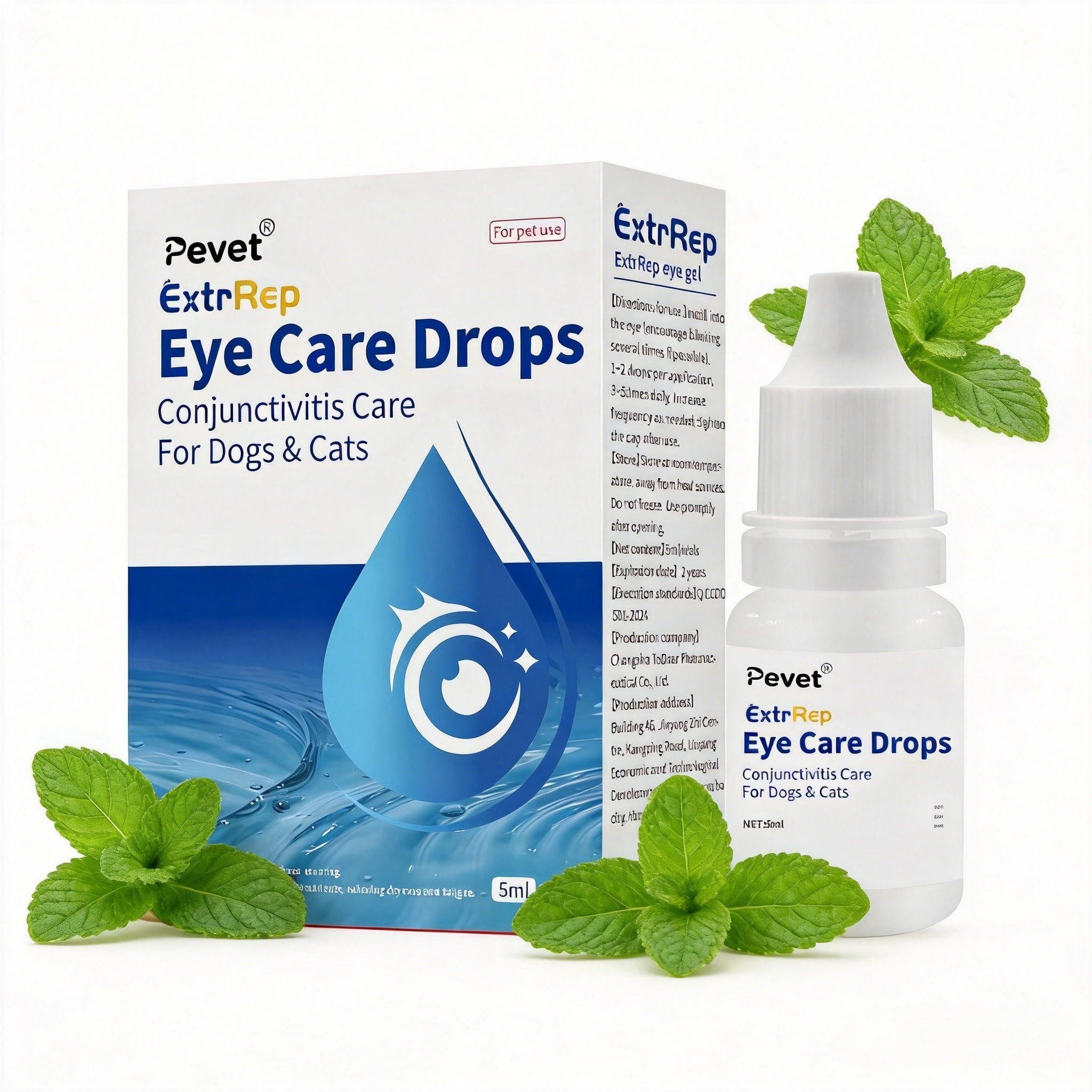
The eye is vulnerable to high oxidative stress from sunlight and metabolic activity. Supplementing specific antioxidants directly protects delicate ocular tissues:
Lutein & Zeaxanthin: Carotenoids that cross the blood-retinal barrier to accumulate in the retina and lens. They absorb high-energy blue UV light and protect crystalline lens proteins from oxidative breakdown.
Anthocyanins (Bilberry Extract): Potent antioxidants that strengthen micro-capillaries supplying blood to the retina, improving night vision and mitigating ocular fatigue.
Astaxanthin: A high-potency carotenoid that neutralizes free radicals across the retinal barrier, reducing low-grade internal eye inflammation.
| Pet Size / Weight | Lutein Target | Anthocyanins (Bilberry) | Astaxanthin Target | Feeding Method |
| Cats & Small Dogs (< 20 lbs) | 2 – 4 mg | 10 – 20 mg | 0.5 – 1 mg | Mix liquid drops or soft chew bits into meals. |
| Medium Dogs (20–50 lbs) | 5 – 10 mg | 25 – 50 mg | 1.5 – 2 mg | Feed daily soft chews as rewards. |
| Large Dogs (> 50 lbs) | 10 – 15 mg | 50 – 80 mg | 3 – 4 mg | Combine with Omega-3 fish oil for maximum lipid absorption. |
Accumulated dust, pollen, and dry tear secretions create an ideal environment for secondary bacterial irritation, aggravating ocular stress.
Flush Away Foreign Debris: Squeeze a generous stream of sterile, non-stinging veterinary eye wash or 0.9% sterile saline into the inner corner of the eye to wash away dust and loose crusts.
Soak and Soften Hard Crusts: Saturate a soft cotton pad with warm eye wash. Hold it gently against the closed eyelid for 15 seconds to soften crusts, then wipe outward away from the nose. Never pull dry, hardened crusts.
Hydrate the Corneal Surface: Apply a drop of veterinary lubricating eye gel (containing Hyaluronic Acid) to soothe dry, aging eyes and preserve moisture balance.
No supplement or over-the-counter drop can reverse fully formed, hardened cataracts; surgical removal is the only definitive cure. However, targeted ocular antioxidants (Lutein, Astaxanthin, Bilberry) significantly slow down cataract progression and prevent ongoing oxidative lens degeneration when introduced early.
Lenticular Sclerosis is a normal, non-painful hardening of the lens that creates a bluish translucent haze without causing blindness. Cataracts are pathological, opaque white blockages that impair light transmission and can lead to blindness.
No. Human vision formulas often contain excessive zinc levels or ingredients like Xylitol, which is highly toxic to dogs. Always choose veterinary-formulated eye care products with species-appropriate dosages.
Pevet is a professional OEM/ODM manufacturer of veterinary pharmaceuticals and specialized pet health formulations. We support global pet brands in bringing high-potency, science-backed eye care product lines to market, including:
Ophthalmic Health Soft Chews: Formulated with Lutein, Zeaxanthin, Astaxanthin, and Bilberry Extract in highly palatable formats.
Sterile Eye Wash Cleansers: Non-stinging, alcohol-free solutions designed for daily tear-stain and ocular hygiene.
Lubricating Eye Drops: Advanced Hyaluronic Acid formulations engineered for aging, dry feline and canine eyes.


